Why So Many Professionals Feel Stuck Right Now
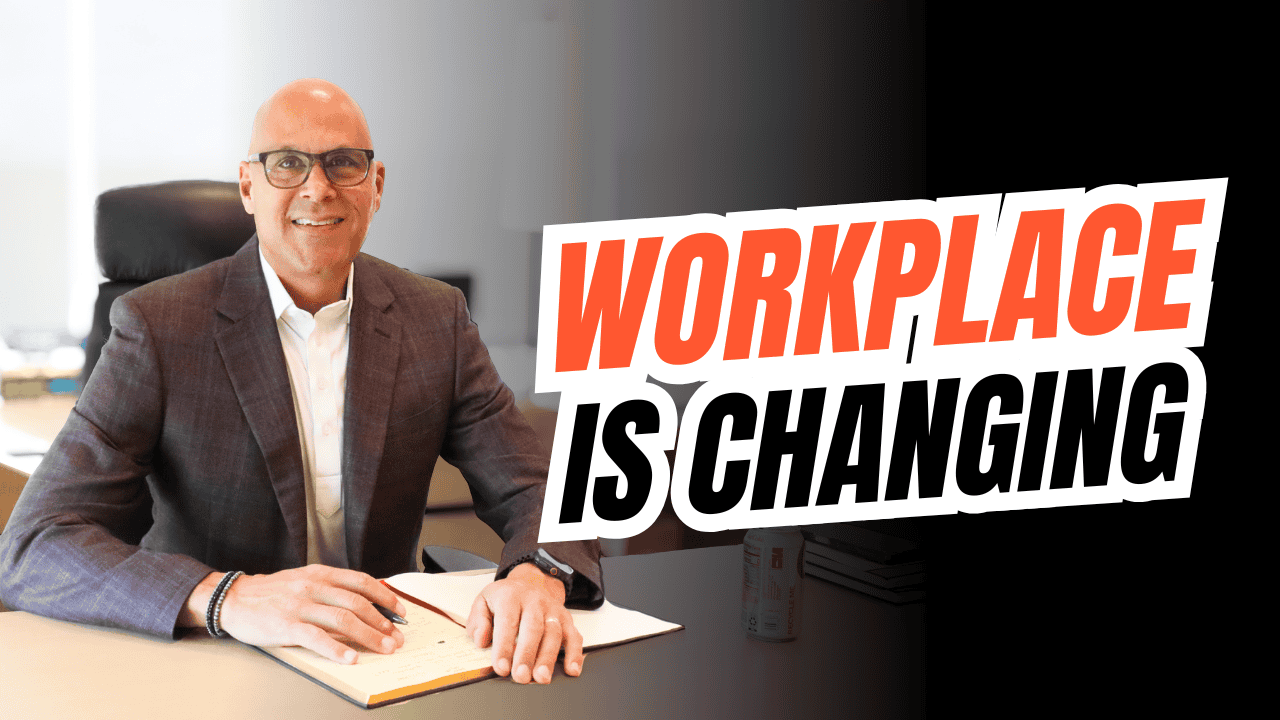
The workplace has changed more in the last five years than it did in the previous twenty. If you’ve been feeling a little off, like things that used to work aren’t working the same way anymore, you’re not alone.
This isn’t about working harder. It’s about recognizing that while you were focused on doing your job well, the job itself evolved. The good news? This is something you can catch up to, and even get ahead of.
When the Rules Change Without Warning
I talk to professionals every day who feel this shift. They’ve built strong careers. They’ve put in the time, developed real expertise, and consistently delivered, but now the environment feels different.
- Communication has changed
- Technology is evolving quickly
- Teams are more diverse than ever
- Expectations are less defined than they used to be
Naturally, there’s a part of you that thinks, “Can’t we just go back to how things worked before?” That’s a normal reaction. However, the reality is, this is how things work now.
The Real Problem Isn’t Performance, It’s Alignment
Here’s what I’ve seen over and over:
Most people aren’t falling behind because they lack ability. They’re falling behind because they’re applying yesterday’s approach to today’s environment. The skills and habits that helped you succeed in the past still matter, but they’re no longer enough on their own.
When things stop working, the instinct is often to double down on what’s familiar instead of stepping back and asking, “What needs to change?” That’s where people get stuck.
Why Waiting for “Normal” Isn’t a Strategy
Most experienced professionals walk into interviews focused on what they’ve already done. They talk about their accomplishments, track records, and history of success. Here’s what employers are actually evaluating: What are you going to do next?
One of the biggest misconceptions right now is that this is temporary. It’s not.
- AI isn’t going away
- Hybrid work isn’t going away
- Multi-generational teams aren’t going away
This isn’t a phase, it’s the new operating environment. The professionals who are moving forward aren’t waiting for things to settle. They’re adjusting in real time.
What the Most Relevant Professionals Are Doing Differently
The people who are thriving right now aren’t necessarily the most experienced or the most technical. They’re the most adaptable.
They:
- Stay curious about what’s changing
- Learn new tools instead of avoiding them
- Adjust how they communicate depending on who they’re working with
- Look for ways to connect the old way of doing things with the new
They don’t see change as something happening to them. They see it as something they can work with. That shift makes all the difference.
How to Start Adapting This Week
Here’s where I’d start:
Pick One New Tool or Technology
Instead of avoiding it, commit to learning it. Even a basic level of familiarity creates momentum.
Pay Attention to How Others are Working
Notice how different generations communicate, collaborate, and solve problems. There’s something to learn there
Leverage Your Experience Differently
Your experience still matters, but it’s most valuable when you apply it in ways that fit today’s environment.
Shift Your Mindset
Instead of asking, “Why is this changing?” start asking, “How can I make this work better?”
Where This Leads
When you stop resisting change and start working with it, things begin to open up.
You become:
- Easier to work with
- More relevant in conversations
- More valuable to your team and leadership
And over time, you position yourself as someone who can help others navigate change, not just react to it. That’s where real opportunity shows up.
Change isn’t the problem.
It’s how we respond to it that determines what happens next. If you’re willing to stay open, stay curious, and keep adjusting, you won’t just keep up, you’ll move ahead. That’s what staying relevant really looks like.
About Chris Flakus
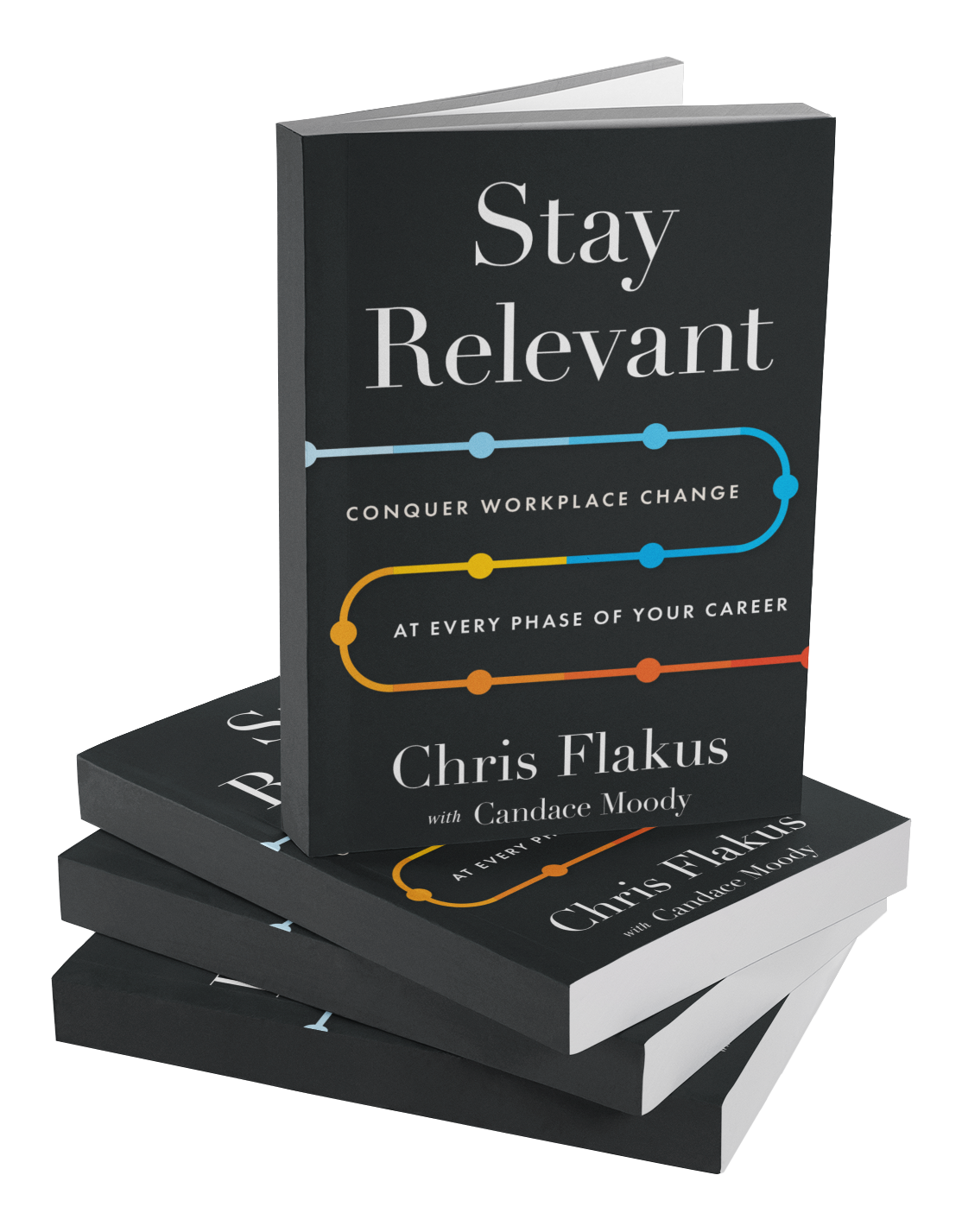
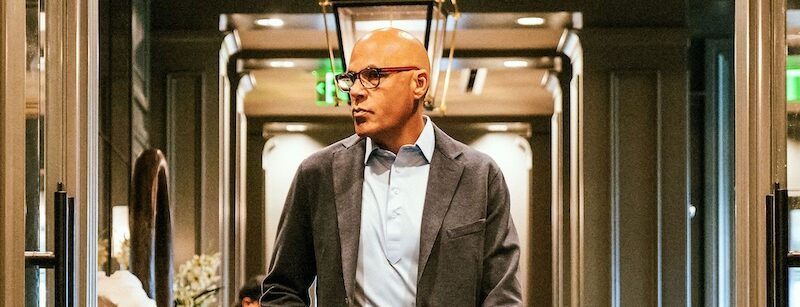
Chris Flakus is the CEO of CSI Companies and the author of “Stay Relevant.” With more than 30 years of experience in executive leadership and talent strategy, Chris has helped thousands of professionals navigate workplace change, build meaningful careers, and stay competitive in a rapidly evolving world. His work focuses on mindset, adaptability, and the practical skills needed to grow through every stage of a career.